We often describe people using simple labels.
“She is ambitious.”
“He is an introvert.”
“They are natural leaders.”
While such descriptions may capture certain aspects of a person, they rarely tell the whole story.
Think about the student who is passionate about becoming a designer but procrastinates on building a portfolio. Or the professional who performs exceptionally at work but struggles to maintain personal discipline. Human beings frequently display behaviours that appear contradictory.
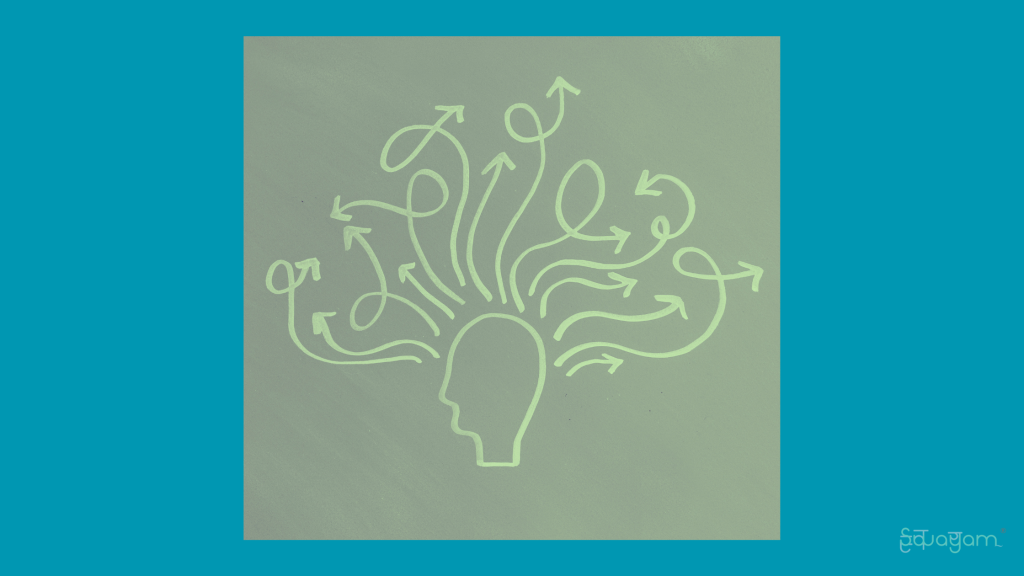
This is because behaviour is rarely driven by a single trait.
Our thoughts, emotions, motivations, habits and circumstances constantly interact to influence how we act. As a result, two people with similar strengths may respond very differently to the same situation.
The Problem with Labels
Labels simplify complexity. They help us make quick judgments, but they can also limit our understanding.
When we call someone ambitious, we may overlook their struggles with consistency. When we describe someone as calm, we may fail to notice the stress they carry internally. When we label a person as creative, we often assume they can naturally turn ideas into action.
In reality, people are not defined by a single characteristic. They are shaped by multiple tendencies that work together, sometimes in harmony and sometimes in conflict.
Personality Is a Pattern, Not a Category
A more meaningful way to understand personality is to view it as a pattern of tendencies rather than a fixed label.
Instead of asking, “Is this person disciplined?”, we can ask, “What helps this person stay disciplined, and where do they struggle?”
Instead of asking, “Is this person ambitious?”, we can explore how ambition influences their decisions, relationships and long-term goals.
This approach allows us to understand people more deeply and more accurately.
Looking Beyond Traits
Many modern personality models focus on identifying traits. While traits can be useful, they may not fully explain the complexity of human behaviour.
Traditional Indian frameworks offer a broader perspective. Rather than placing people into rigid categories, they view human behaviour as the result of multiple forces operating simultaneously. Every individual possesses different tendencies in varying proportions, and it is the interaction of these tendencies that shapes behaviour.
The focus, therefore, is not on determining what type of person someone is, but on understanding the unique combination of factors that influence how they think, feel and act.
Moving Beyond Labels
Whether we are choosing a career, developing as a leader, hiring employees or simply trying to understand ourselves better, labels can only take us so far.
The real questions are deeper:
- What motivates this person?
- What challenges them?
- What helps them thrive?
- What drives them?
- How do their behavioural tendencies interact?
Human behaviour is complex. The more we appreciate that complexity, the better equipped we are to understand ourselves and others.
Perhaps the goal is not to place people into boxes, but to understand the patterns that make each individual unique.