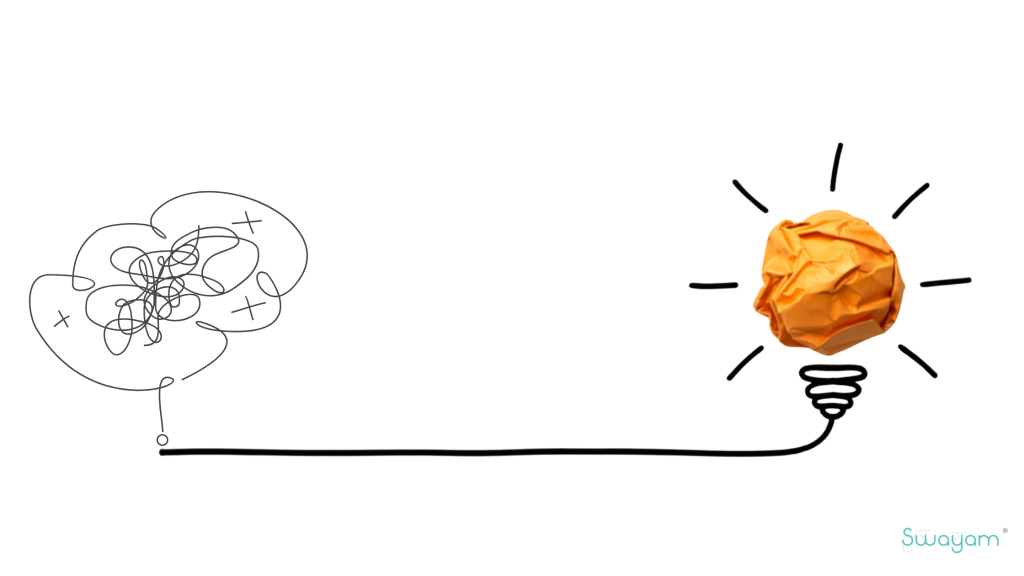
Entrepreneurship takes more mental effort than we usually think. It means dealing with uncertainty, making tough decisions, working with limited resources, and still finding ways to solve real problems.
How an individual navigates all of this depends largely on their personality, their behavioural tendencies, and importantly, their level of self-awareness.
What Do We Mean by Personality?
Personality refers to relatively stable patterns in the way individuals think, feel and behave. It influences how people interpret situations, respond and act over time.
It is important to understand that personality is not just a set of labels or traits. It is expressed through consistent behavioural tendencies across situations. These tendencies shape how a person approaches work, relationships, challenges and decisions.
What Do We Gain by Understanding Personality?
Understanding personality does not give us a fixed prediction of success or failure. What it does offer is insight into patterns of functioning.
At a practical level, this includes:
- Behavioural tendencies – how a person is likely to act in different situations
- Competencies – areas where the individual can perform effectively
- Capabilities under pressure – how they respond in uncertainty, stress, or high-stakes situations
This distinction is important. It is not about labelling someone as “good” or “bad” for entrepreneurship. It is about understanding how they are likely to function within it.
Entrepreneurial Behaviours and Competencies
There is no single ideal combination of traits. Different individuals succeed with their own strengths and capabilities.
For example:
- A budding entrepreneur may require more exploration, initiative and willingness to take risks.
- An established entrepreneur may rely more on decision-making, leadership, planning and the ability to scale.
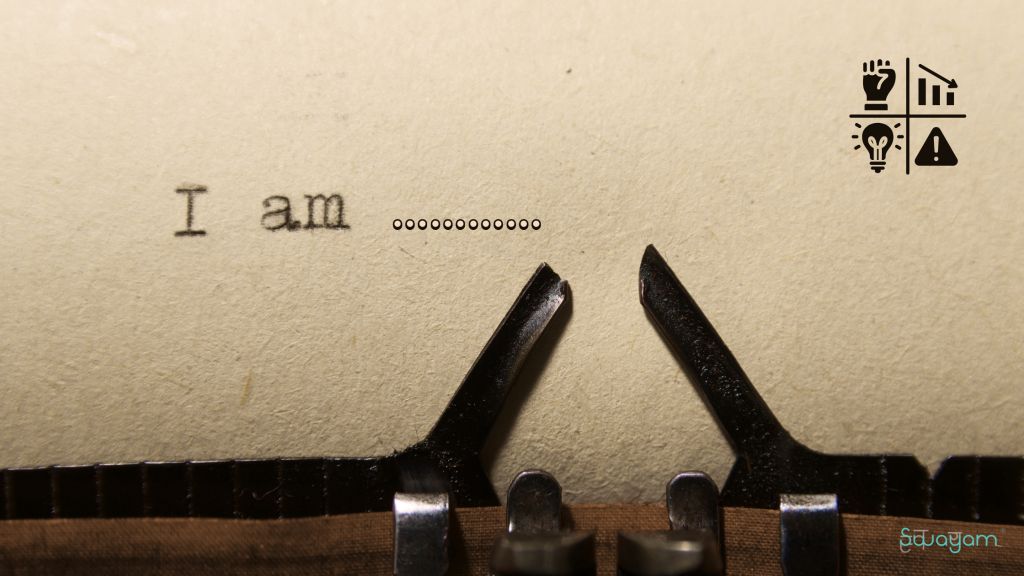
The Need for In-Depth Personality Profiling
To meaningfully understand entrepreneurial potential, a more detailed approach is required. Personality profiling attempts to map patterns, interactions, strengths and gaps in an individual’s functioning.
This shifts the focus from a binary question: “Can I become an entrepreneur?”
to a more useful one: What do I have that makes me better positioned than someone else to build this enterprise?
This includes:
- Identifying existing strengths and building them further
- Recognizing weak spots and working steadily to overcome them
- Understanding areas where support or structure may be required
Such clarity allows individuals to approach entrepreneurship with a more self-aware, well-informed and realistic perspective.
The goal is not to change one’s personality entirely, but to work with it effectively.
Concluding lines
Personality plays a role in all major life decisions and entrepreneurship is no exception. In fact, entrepreneurship places higher psychological demands than many other career paths. It involves sustained uncertainty, responsibility and the need for continuous decision-making.
Because of this, self-awareness becomes critical.
Entrepreneurship is not just a professional choice. It is a psychological journey. Understanding one’s personality does not guarantee success, but it provides a clearer foundation to navigate that journey with intent and direction.